

Imagine receiving hospital-level care without leaving your living room. Sounds futuristic, right? Yet it’s already happening. The way we think about healthcare is changing fast, and one of the biggest shifts is how future healthcare technology is elevating at home care.
More people now want comfort, independence, and control over their health. Technology is stepping in like a quiet helper—working behind the scenes to make home care smarter, safer, and more personal. Think of it like turning your home into a mini health hub, where care comes to you instead of the other way around.
Let’s explore how this transformation is unfolding and why it matters to everyday people like you and me.
What Is At Home Care?
At home care means receiving medical or supportive care in your own home instead of a hospital or clinic. This can include:
-
Regular health check-ups
-
Medication management
-
Physical therapy
-
Chronic disease support
-
Elderly and post-surgery care
In simple terms, it’s healthcare that fits into your life—rather than forcing your life to fit into healthcare.
Why Home Care Is the Future
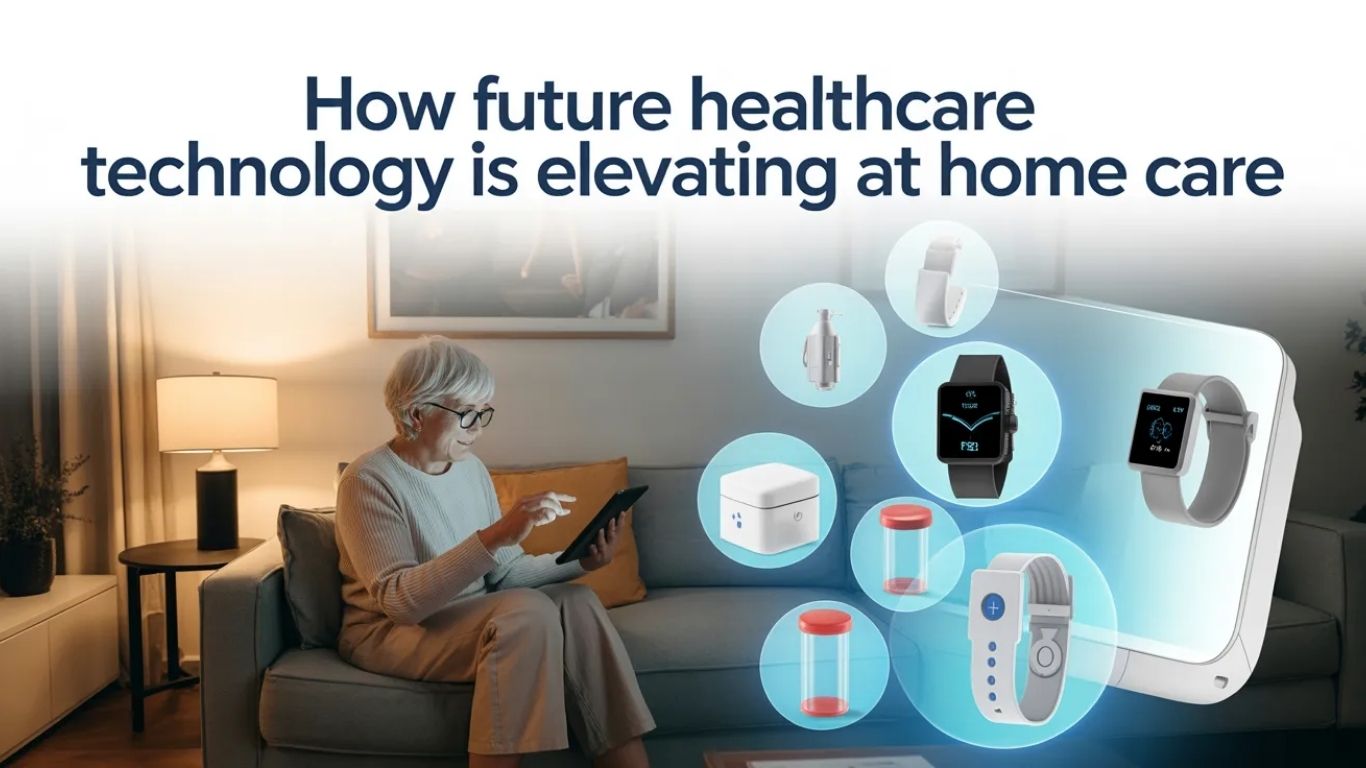
Why are so many people shifting toward home-based care?
Because it offers:
-
Comfort – Healing feels easier in familiar surroundings
-
Convenience – No long waits or travel stress
-
Lower costs – Fewer hospital stays reduce expenses
-
Better outcomes – Patients often recover faster at home
This growing demand is exactly why how future healthcare technology is elevating at home care has become such an important topic.
The Role of Smart Medical Devices
Smart medical devices are changing the game.
Devices like:
-
Digital blood pressure monitors
-
Smart glucose meters
-
Connected heart rate monitors
These tools collect health data automatically and send it to healthcare providers. It’s like having a nurse quietly checking in, without interrupting your day.
Key point: Problems can be detected early—sometimes before you even feel symptoms.
Telehealth Bringing Doctors Home
Telehealth is one of the biggest breakthroughs in modern care.
Instead of spending time in a waiting room, you can:
-
Video chat with doctors
-
Share test results instantly
-
Get prescriptions online
For people with mobility issues, busy schedules, or remote locations, telehealth feels like opening a door directly to medical expertise.
It’s a clear example of how future healthcare technology is elevating at home care in a very real way.
Wearable Technology and Daily Health Tracking
Wearables are no longer just fitness gadgets.
Smartwatches and health bands now track:
-
Heart rate
-
Sleep patterns
-
Oxygen levels
-
Physical activity
These devices turn everyday moments into health insights. Like a diary that writes itself, they help doctors understand patterns instead of guessing based on one visit.
Artificial Intelligence in Home Healthcare
Artificial intelligence, or AI, sounds complicated—but its goal is simple: help people faster and smarter.
AI can:
-
Predict health risks
-
Analyze long-term data
-
Alert caregivers when something seems off
Think of AI as a digital assistant that never gets tired and always keeps an eye on your wellbeing.
Remote Patient Monitoring Explained
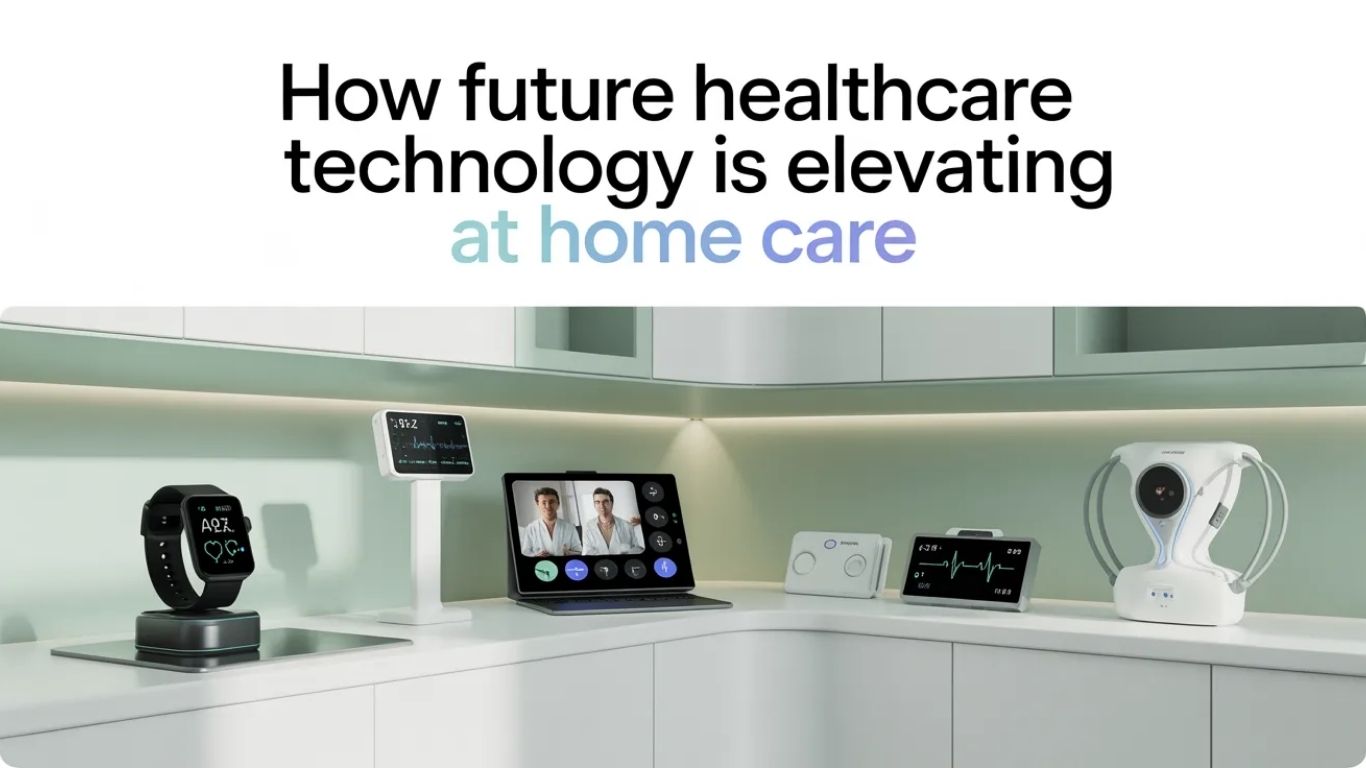
Remote patient monitoring allows healthcare teams to track patients from afar.
This is especially useful for:
-
Heart disease
-
Diabetes
-
Respiratory conditions
Sensors send updates directly to care teams. If something unusual appears, action can be taken immediately—often preventing emergencies.
This technology is like having a safety net quietly working in the background.
Smart Homes Supporting Elderly Care
Smart home technology is a blessing for seniors.
Features include:
-
Motion sensors to detect falls
-
Voice-activated assistants
-
Automated lighting and temperature control
These tools promote independence while giving families peace of mind. It’s care that respects dignity while improving safety.
Robotics and Assistive Technology
Robots in healthcare aren’t science fiction anymore.
In home care, assistive robots can:
-
Help with lifting or movement
-
Remind patients to take medication
-
Offer companionship
They don’t replace human care—they support it. Like a helpful neighbor who’s always available.
Personalized Care Through Data
One of the biggest advantages of technology is personalization.
Instead of one-size-fits-all care, future systems:
-
Learn individual habits
-
Adjust treatments in real time
-
Tailor care plans to personal needs
This shift makes healthcare feel less like a system and more like a partnership.
Mental Health Support at Home
Mental health care is also benefiting greatly.
Through apps and virtual therapy:
-
Counseling is more accessible
-
Support feels less intimidating
-
Help is available anytime
For many people, opening up from home feels safer than sitting in an office.
Benefits for Patients and Families
The benefits are wide-reaching:
-
Patients gain comfort and control
-
Families stay informed and involved
-
Caregivers work more efficiently
-
Healthcare systems reduce overload
It’s a win-win situation powered by smart innovation.
Challenges and Concerns
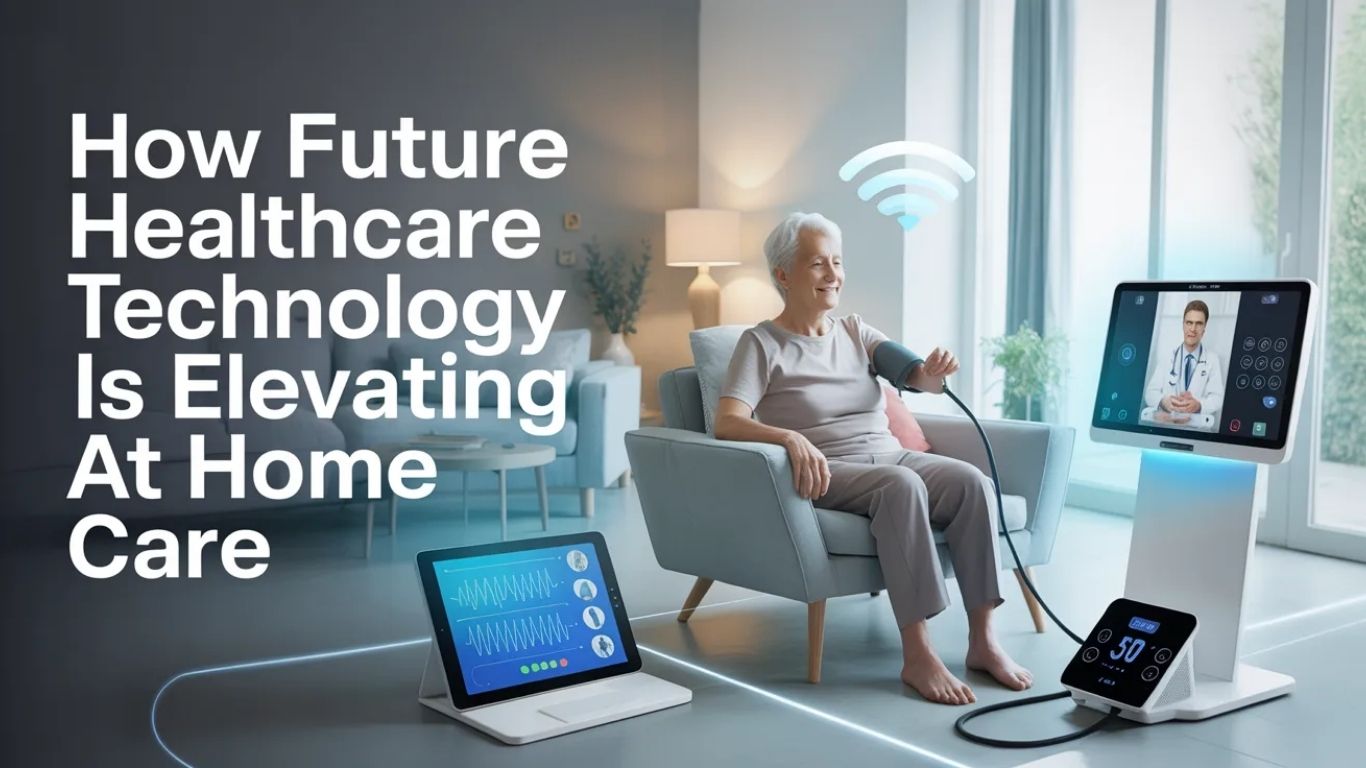
Of course, no solution is perfect.
Common concerns include:
-
Data privacy
-
Technology access for older adults
-
Learning curves
But with thoughtful design and education, these challenges are manageable—and improving every year.
What the Future Looks Like
Looking ahead, home care will likely become the default option for many conditions.
Expect to see:
-
More connected devices
-
Smarter AI systems
-
Seamless coordination between home and hospitals
Healthcare is moving closer to home—literally and emotionally.
Final Thoughts on Home Healthcare
So, how future healthcare technology is elevating at home care comes down to one powerful idea: bringing care to where life happens.
Technology is transforming homes into places of healing, not just living. And as these tools grow smarter and more accessible, at home care will continue to feel less like an alternative—and more like the best option.
Frequently Asked Questions (FAQs)
1. How future healthcare technology is redefining home-based care?
It improves comfort, monitoring, and access to medical support through smart devices, telehealth, and AI-driven tools.
2. Is at home care safe with technology?
Yes, when properly used, technology enhances safety through constant monitoring and early alerts.
3. Who benefits most from home healthcare technology?
Elderly patients, people with chronic conditions, and those recovering from surgery benefit greatly.
4. Does home care technology replace doctors?
No, it supports doctors by providing real-time data and improving communication.
5. Will at home care become more common in the future?
Absolutely. As technology advances, home care is expected to become a primary healthcare option.
For More Visit: Mercabusca
